
9 December 2025
Scroll down(Dermatologist Advice That Really Works)

Dry skin is one of the most common concerns we see in clinic — especially in winter. It’s uncomfortable, itchy, flaky, and for many people, it feels never-ending. The good news? Dry skin can be treated. And most of the time, it’s about repairing the skin barrier and choosing the right moisturiser for dry skin so it can hold onto water again.

Apply moisturiser within three minutes of towel-drying to trap hydration.
Reapply 2–4 times daily if your skin is very dry or itchy.
Choose different textures for different areas: creams for very dry skin, lotions for mild dryness or hairy areas.
Avoid long, hot showers and harsh foaming cleansers.
If your skin is cracked, painful, or red — book in for a dermatology consultation. Dry skin can easily tip into eczema.
We’ve grouped our recommendations to help you find the best moisturiser for dry skin — whether it’s your lips, face, hands, feet or body.
Lips have no oil glands and dry out fast. You need occlusives (to seal in moisture) and humectants (to comfort during the day).
High-street favourites
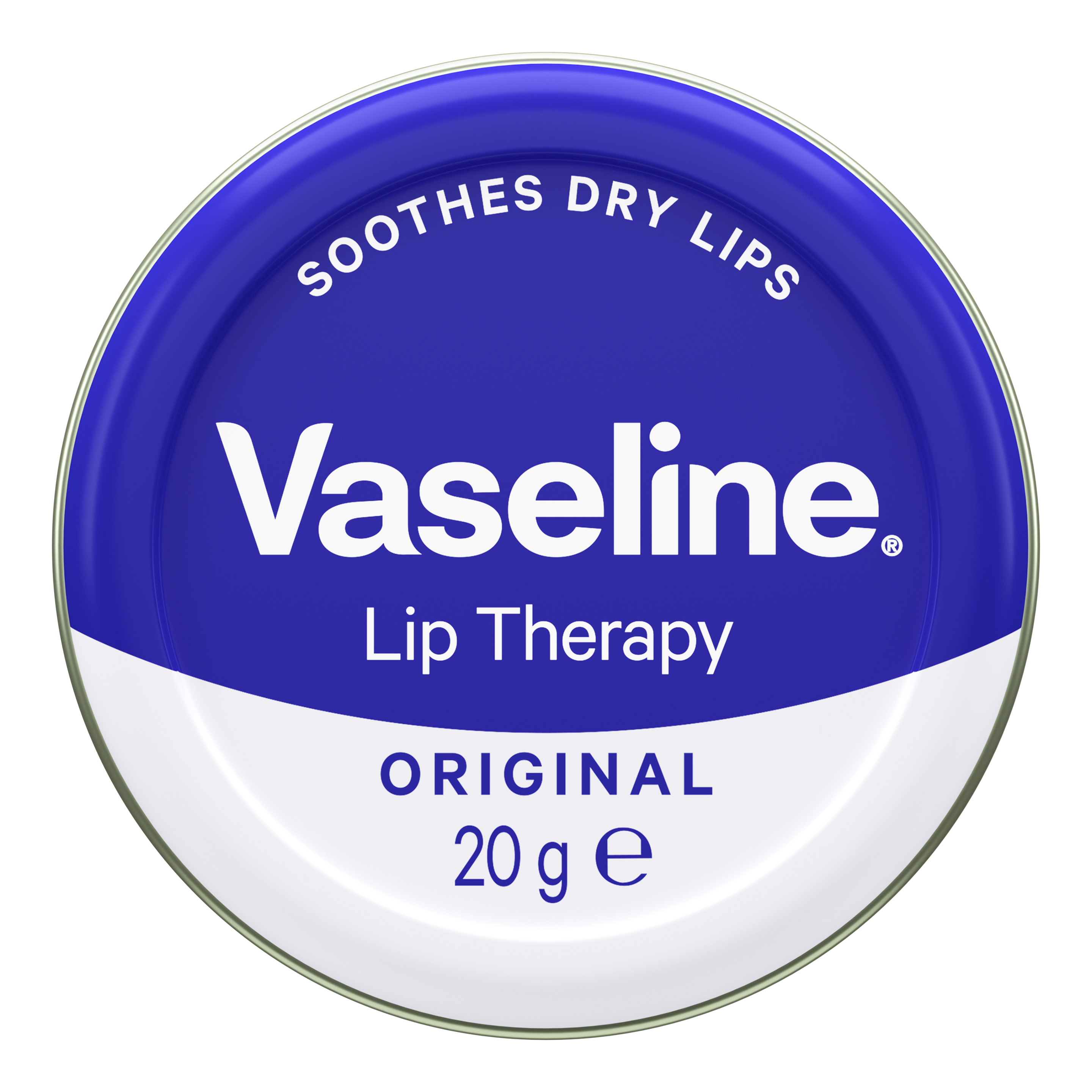
Vaseline Lip Therapy — excellent overnight occlusive.
Aquaphor Repair — glycerin + panthenol plus petrolatum, good for chapped, fissured lips.
Blistex / Boots SPF Balms — helpful daytime options with SPF versions available for sun protection.
Luxury
Laneige Lip Sleeping Mask — hydrating and cushiony.
Charlotte Tilbury Lip Treatments — blend occlusives + emollients.
Tip: If your lips sting or crack, avoid flavoured/sticky balms and switch to plain occlusives (like vaseline) until healed.

A common question we hear is: “How do I get rid of dry skin on my face?” The answer: a good moisturiser for dry skin + consistent routine.
High-street
CeraVe Moisturising Cream — ceramides + hyaluronic acid to relieve dry skin.
La Roche-Posay Toleriane / Nutritic — for dry, reactive skin.
Aveeno Daily Moisturising / E45 — simple, fragrance-free, gentle.

Luxury
Augustinus Bader The Cream — richly hydrating treatment often recommended for very dry or ageing skin when budget allows. But worth the additional cost? Not sure.
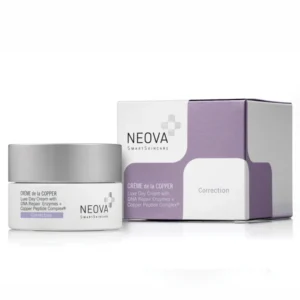
Tip: Apply moisturiser to damp skin. SPF still matters in winter – we like Heliocare or Anthelios from La Roche Posay.
Hands take a beating. Frequent washing strips lipids, so they need richer emollients.
High-street
Neutrogena Norwegian Formula — consistently top-rated for a reason.
E45 Hand Cream / Boots Intensive — reliable, non-irritating.
Nivea Repair & Care — a great handbag staple.

Luxury
L’Occitane Shea Butter — rich but fast absorbing. Good for those who prefer a nicer ‘feel good’ experience while still getting emollient benefit.
Dermatology M Soothing Ointment — ideal for cracks.

Tip: For very dry hands, use a thick layer + cotton gloves overnight.
Feet often need keratolytics (e.g., urea) to soften thickened skin.
High-street
Flexitol Cracked Heel Balm (25% urea) — dermatology favourite. A urea-containing balm with proven rapid improvement for cracked heels; excellent for very dry, hyperkeratotic feet (thickened skin on heels).
Scholl Heel Repair — effective for very dry feet.
E45 Foot Cream — gentle for sensitive areas.

Luxury
L’Occitane Shea Foot Cream — rich, softening.
Margaret Dabbs Foot Cream — medical meets luxury.
Tip: Use a pumice gently only after soaking and apply urea-containing cream nightly; higher-concentration urea products can sting on fissures (cracked skin).
Daily body moisturising is the backbone of treating dry skin long-term.
High-street
CeraVe Moisturising Cream — ceramides + hyaluronic acid; great for face and body use, and available in big sizes.
E45 Lotion / Cream — the classic medical emollient. Widely recommended as a no-frills medical emollient; good for eczema-prone or very dry skin.
Aveeno Calm + Restore — colloidal oatmeal formulations soothe itch and dryness.
Luxury (but not needed… but if you want to indulge in luxury smells and experience).
La Mer Body Crème — intensely hydrating.
Augustinus Bader Body Cream — restorative and indulgent.
Tip: Apply a generous emollient immediately after showering (pat dry first). For extremely dry patches, try switching to an ointment overnight.
Despite my advice and suggestions, if your dry skin is red, painful, cracking, or not improving with moisturiser alone, it may be eczema or dermatitis. That’s when a dermatologist should step in for a full check of your skin, as you may need medications and more tailored treatment.
We’d love to take a closer look and create a personalised treatment plan for you if you need support. Book in for a dermatology consultation, or contact us to find out more on 02039411815.
Dr Cherry Armstrong
CoFounder
Medical Director
02039411815

The information in this article is for general educational purposes only and is not a substitute for personalised medical advice. If your dry skin is painful, cracked, inflamed, or not improving with over-the-counter care, we recommend booking a consultation with one of our dermatologists or see your GP for an assessment and tailored treatment plan.
– Why is my skin so dry?
– How do I treat dry skin on my face?
– How can I get rid of dry skin overnight?
Dry skin usually comes down to a weakened barrier. Winter makes it worse: cold air, indoor heating, long hot showers, harsh products, and the wrong moisturiser all strip moisture from the surface. When the barrier is impaired, water escapes faster than your skin can hold onto it — which is why it looks dull, flaky, or tight.
The fix is simple: repair the barrier, restore hydration, and lock it in. Scroll down for specific body area advice.
Moisturisers work by doing three things:
Draw water into the upper layers of the skin.
Smooth and soften dry, rough patches.
Create a barrier on top of the skin to prevent water loss.
To get the most out of them, apply moisturiser within minutes of washing while the skin is still damp. This is the single most effective way to treat dry skin fast.
Follow us
no23skin