
Last night, we hosted an event and covered a lot. Questions about collagen. The gut. Vitamin D. LED masks. Hair loss.
Here’s your evidence-led recap — clear, honest, and rooted in what actually works.
Because at No. 23 Skin, we don’t chase trends. We follow data. And we help you look after your skin so you can get on with living in it. Thanks to Dr Sukhi Dhariwal and Dr Cherry Armstrong for discussing important topics in skin health.

The short answer: yes — but it’s nuanced.
Your gut contains trillions of microorganisms (the gut microbiome). Beneficial bacteria — probiotics — help regulate immunity and inflammation. They thrive on fibre-rich foods (prebiotics): vegetables, fruit, beans and pulses, and wholegrains.
Research shows that disruption of the gut microbiome (dysbiosis) is associated with inflammatory skin conditions including acne, eczema and psoriasis.
A 2018 review in Frontiers in Microbiology highlighted immune and inflammatory pathways linking gut imbalance with acne and psoriasis.¹
A 2020 systematic review in Dermatology and Therapy reported growing evidence for microbiome involvement in acne pathogenesis.²
Important: gut imbalance is rarely the sole cause of skin disease. But it can worsen inflammation.
So what’s sensible?
Eat fibre.
Reduce ultra-processed foods.
Support overall metabolic health.
Don’t expect one probiotic capsule to “fix” chronic acne.
As with everything in wellbeing…. It’s a systems approach. Not a silver bullet.
Your skin also has its own ecosystem of bacteria, fungi and viruses. When balanced, it protects you. When disrupted, inflammation increases.
This is why we don’t recommend harsh stripping cleansers. Over-exfoliating doesn’t make skin healthier. It destabilises it.
Evidence in this area is still evolving, but dermatology increasingly recognises the importance of maintaining barrier integrity and microbiome balance through:
Gentle, low-pH cleansers
Ceramide-rich moisturisers
Avoiding overuse of actives
Simple works.
Collagen is the structural protein holding skin, bone, ligaments and muscle together. UV radiation, smoking, age, and oxidative stress degrade collagen fibres over time.
SPF50+ daily remains the single most powerful collagen-preserving intervention. Nothing competes with it.
Evidence is mixed but emerging.
A 2021 systematic review in International Journal of Dermatology found oral hydrolysed collagen may improve skin elasticity and hydration after 8–12 weeks.³
However, many studies are small and industry-funded.
Our view:
If you want to try it, document properly. Baseline photo. Repeat at 12 weeks. Assess objectively.
Collagen creams? No. The molecules are too large to penetrate the epidermis. They moisturise at best.

In the UK, deficiency is common.
Vitamin D supports immune regulation and skin barrier function. In melanoma patients, observational studies have shown that adequate vitamin D levels are associated with improved survival outcomes.⁴ Our dermatologists will prescribe Vitamin D to melanoma patients to improve outcomes should recurrence occur.
General adult dosing in the UK:
400–1000 IU daily (maintenance)
Higher doses only under medical supervision
If you have a history of skin cancer or immune-mediated disease, this should be individualised with your doctor.
Evidence is strong for B3.
A landmark Phase III randomised controlled trial (ONTRAC study) published in New England Journal of Medicine (2015) showed that 500mg oral nicotinamide twice daily reduced new non-melanoma skin cancers (SCCs and BCCs) by 23% in high-risk patients.⁵
Topical niacinamide also:
Improves barrier function
Reduces inflammation
Helps regulate oil production
Supports pigmentation control
It’s one of the most useful ingredients in some moisturisers too.
Important caveat:
Other B vitamins are not equal. High-dose B12 has been associated with acne flares in some individuals.
Personalisation matters.

Biotin is heavily marketed for hair growth.
Evidence supports its use in brittle nail syndrome.⁶
Evidence for hair growth in individuals without deficiency? Very limited.
If you’re experiencing hair thinning, diagnosis comes first:
Female pattern hair loss
Telogen effluvium
Autoimmune conditions (scarring alopecia)
Hormonal shifts
Treating without diagnosis wastes time. A dermatologist can assess and prescribe evidence-based treatments, such as minoxidil when appropriate.
Retinoids remain one of the most evidence-backed topical interventions in dermatology.
They:
Increase epidermal turnover (i.e. more new skin cells, more quickly)
Stimulate collagen synthesis
Improve pigmentation
Reduce fine lines
Prescription-strength retinoids work faster and have the best evidence for anti-ageing (if you’re a patient of ours we can help with this, if not, then get in touch and we can give you the steps to building up to prescription retinols for your skin specifically). Over-the-counter retinols can be effective but require patience.
Start 1–2 times weekly at night (as it makes you photosensitive). Build slowly. Protect with SPF.
Consistency beats intensity.
Hyaluronic acid (low molecular weight forms), ceramides and simple moisturisers improve barrier function and reduce transepidermal water loss. Remember to stay hydrated on the inside by drinking water too.
Apply moisturiser within minutes of bathing to lock hydration in. If you have dry skin, check out this blog post for some recommendations.
You do not need a £200 cream.
Barrier health is not glamorous. But it works.
Broad-spectrum SPF50+ daily. UVA and UVB protection. Use a specific SPF product — not just what’s in your tinted moisturiser as you tend to apply less and it may not have the required level of protection.
SPF is your collagen insurance policy. Your pigmentation prevention plan. Your skin cancer risk reducer.
We will never tell you to avoid the beach.
We will tell you to reapply.
UV rays and skin ageing – this is quite a famous picture of a truck driver who had one side of his face exposed to UV rays and one side shaded.
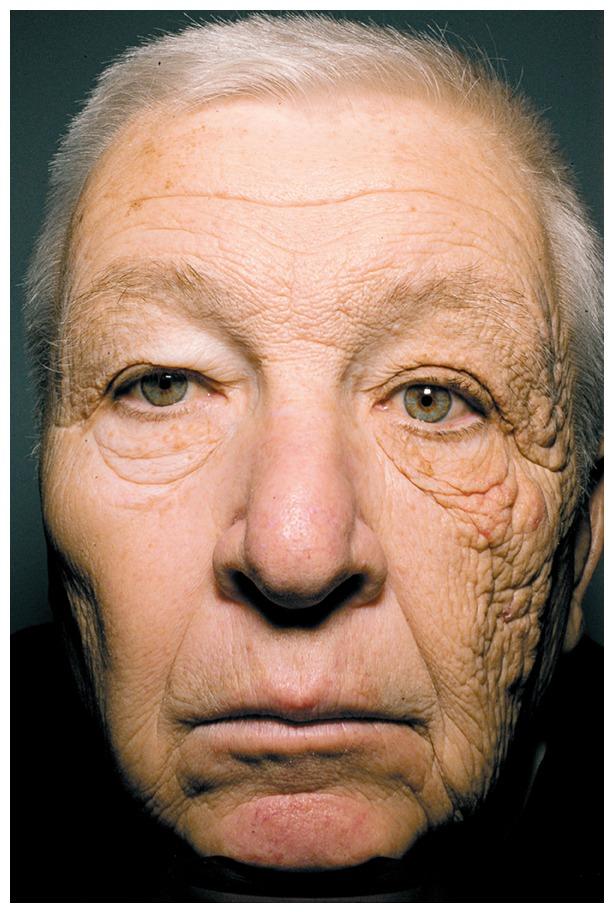
Photo credit: (New England Journal of Medicine) The jarring effects of UV radiation.
Yes — with caveats.
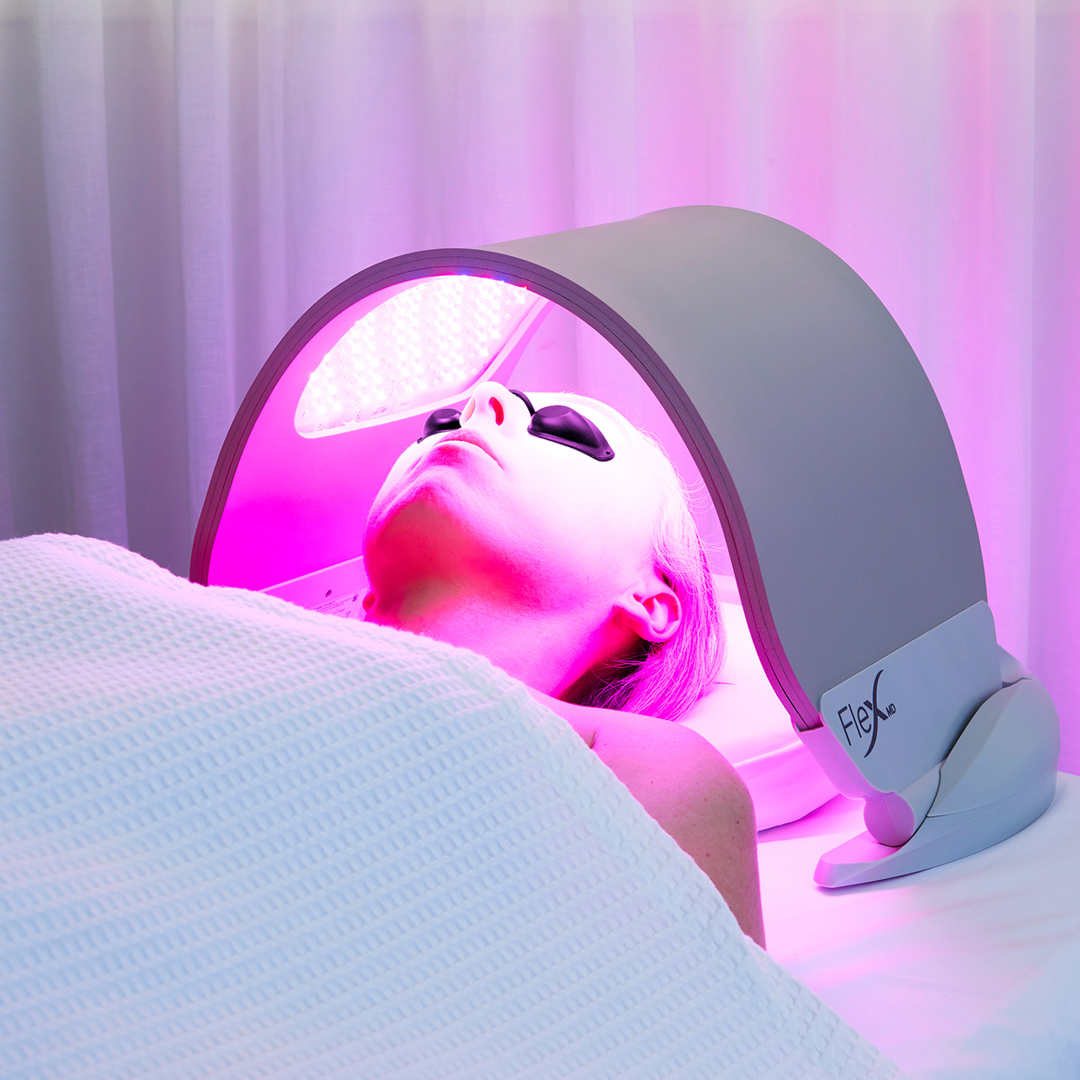

Studies show improvements in collagen density and skin texture after repeated treatments.
Demonstrated reduction in inflammatory acne lesions when used regularly over 7 weeks.
Most strong evidence comes from in-clinic, medical-grade devices (such as Dermalux). At-home masks can help mild acne if used consistently (4–7 times weekly), but power output is lower.
Consistency is key. Brand quality matters. If you’re prepared to invest, we recommend:
SPF50+ daily
Retinoids – prescription are stronger, but some over the counter ones will work in the beginning.
Niacinamide – supplement of Vitamin B3 and topically.
Barrier repair – hydration with ceramides
Evidence-based treatments
Personalised plans
Skin is your largest organ. It adapts with you. It reflects your health. It deserves support — not obsession.
We’re not here to tell you to stop living.
We’re here to protect your skin so you can.
If you have a specific medical concern book to see one of our dermatologists for help
If you are due your skin cancer check, book for a mole check online.
or want clarity on what actually suits your skin and to discuss treatments that will support faster results — book in for a complimentary consultation by emailing us here. We’ll make it simple.
Do share this with anyone you know who is interested in their skin and overall skincare – simple actions really can make a difference.
If you were at the event — thank you for coming.
And if you’re reading this online — welcome.
Helen & Dr Cherry
hello@23skin.co.uk
02039411815
23 Ansdell Street, London W8 5BN

Salem I et al. Front Microbiol. 2018;9:1459.
Lee SY et al. Dermatol Ther. 2020;10(5):1045–1058.
de Miranda RB et al. Int J Dermatol. 2021;60(12):1449–1461.
Newton-Bishop JA et al. J Clin Oncol. 2009;27(32):5439–5444.
Chen AC et al. N Engl J Med. 2015;373:1618–1626.
Colombo VE et al. J Am Acad Dermatol. 1990;23(6 Pt 1):1127–1132.
Avci P et al. Semin Cutan Med Surg. 2013;32(1):41–52.
Papageorgiou P et al. Br J Dermatol. 2000;142(5):973–978.
Back to all posts
Follow us
no23skin
EXCELLENTTrustindex verifies that the original source of the review is Google. I have had a very good experience with No. 23 Skin! Dr. Bhate and the medical team are attentive, kind, and knowledgeable. I was able to address various types of concerns - from skin health all the way to cosmetic ones. I highly recommend this dermatology clinic. It will always be my go-to in London.Posted onTrustindex verifies that the original source of the review is Google. I couldn’t recommend No 23 Skin highly enough. All staff are approachable, knowledgeable and reassuring. I have had different treatments and each of them have been well explained and professionally delivered. Shannon did my BBL and not only are the results fantastic, but I really enjoyed the sessions due to her warmth, friendliness and kindness. I would go back every week if I could!Posted onTrustindex verifies that the original source of the review is Google. Love this place. Shannon is amazing, the results were truly incredible and all the staff go above and beyond. Can’t recommend it enough.Posted onTrustindex verifies that the original source of the review is Google. Great service from Neda, made me feel very comfortable and knows exactly what she’s talking about. Would highly recommend this company and especially her.Posted onTrustindex verifies that the original source of the review is Google. I’m not exactly a massive skincare person and, having never been to a dermatologist before, I was definitely a bit out of my element. However, the team at 23 Skin was incredibly friendly and made me feel welcome right away. Shannon was great, she talked me through the whole process and made sure I was comfortable the entire time. Dr Cherry was also very professional. She explained the logic behind my minor surgery, ensured I knew exactly what to expect, and gave me clear instructions for aftercare. They even set up a follow-up appointment to make sure everything was healing properly. If you’re looking for a professional & friendly team that makes the whole experience easy and stress-free, I can’t recommend them enoughPosted onTrustindex verifies that the original source of the review is Google. Lovely discreet clinic with welcoming staff, I had a BBL laser treatment and facial with Shannon, and she was really detail-oriented and personable, answered all my questions with no pushy sales approach. The treatment was explained really well, and she was clearly very knowledgeable, so I felt very comfortable the entire time. Shannon emailed the next day to check in, which I thought was great customer service - would highly recommend!Posted onTrustindex verifies that the original source of the review is Google. Highly recommend this clinic! I have had BBL and Moxi laser treatment with them and the results are great! My skin feels brighter, healthier and youthful. Shannon is amazing at what she does I wouldn’t trust anyone else with my skin.Posted onTrustindex verifies that the original source of the review is Google. Excellent, expert advice by people who care. Words cannot express the level of attention and passion you find at this clinic. I have been struggling with my skin for as long as I can remember, dealing with acne and eczema as early as 11 years old. Shannon and Dr Cherry have helped me finally feel in control of my skin. Recently, I completed the AviClear course with the lovely Shannon and I'm already noticing improvements. I definitely have less cystic spots and oiliness. In my consultation with Dr Armstrong, I received a detailed, thoughtful treatment plan as well. She listened to my concerns and answered all my questions with zero judgement (even if I asked the same question 100 times). It is evident that everyone here is passionate about what they do and that is felt so strongly by the effort and empathy in their work. I refuse to trust my skin anywhere else. Thank you so much!!! I can't wait for my follow up!Posted onTrustindex verifies that the original source of the review is Google. The doctor was friendly and professional, the location is very convenient and discrete. There was a small hiccup in the admin process but the staff was friendly and quick to fix it.Posted onTrustindex verifies that the original source of the review is Google. Words cannot express how grateful I am to have found No. 23 Skin. I’ve been coming here to see Shannon for several years now for the signature facial treatments, and my skin looks unrecognisable. The team is exceptionally attentive and are genuinely invested in your skin’s long-term health rather than focusing on the quick fixes. What I particularly value is also their honesty as they will never push products or treatments you don’t need, and their recommendations are always based on what will actually work for your skin which makes all the difference. Every treatment feels incredibly tailored and they always take the time to explain what products they are using and why, which as someone with very sensitive skin immediately puts you at ease. If you’re struggling with acne or want lasting results I cannot recommend No. 23 Skin highly enough. It has been a complete game-changer for my skin and is truly the best decision I’ve made: If there were an option to give more than five stars I would without hesitation.
We are a growing clinic and are very grateful for your help spreading the word.
If you tell someone else about us and they book a doctor consultation or treatment, we will give you both £50 off your next treatment.
If you refer 3 or more people, you become part of our gold club and we will give you special offers and freebies (such as facials) throughout the year!
Thank you for your support.